 MyDogBreeds
Bagel Hound is originated from United States but Australian Cattle Dog is originated from Australia. Bagel Hound may grow 7 cm / 2 inches shorter than Australian Cattle Dog. Bagel Hound may weigh 11 kg / 25 pounds more than Australian Cattle Dog. Both Bagel Hound and Australian Cattle Dog has same life span. Both Bagel Hound and Australian Cattle Dog has almost same litter size. Both Bagel Hound and Australian Cattle Dog requires Low maintenance.
 The Bagel Hound is a hybrid breed that emerged in the early 2000s by crossing the Beagle and Basset Hound. Both parent breeds have ancient origins—Beagles were bred for hunting small game with their exceptional sense of smell, while Basset Hounds, with their calm demeanor and powerful scenting ability, were also used for hunting.
The Bagel Hound was developed to combine the Beagle’s playful, energetic nature with the Basset Hound’s laid-back, affectionate temperament. Though relatively new, this hybrid quickly became popular for its friendly disposition, moderate energy, and suitability as a family companion.
During the 19th century, in the New South Wales, lived a cattle farmer Thomas Hall. He wanted to have a perfect cattle dog so he mixed two breeds: dogs used by stockman with the dingo. The new breed was given an interesting name - Halls Heelers. Heelers was a part of the dog breed because this new breed of the dog inherited the nipping instinct. As time passed, one breed was developing in two breeds: the Australian Cattle Dog and the Australian Stumpy Tail Cattle Dog.
The Australian Cattle dog can be found in two available colours: red and blue. This is how they got their nicknames: Red Heeler and Blue Heeler.
 The Bagel Hound is a medium-sized, affectionate hybrid breed resulting from the cross between the Beagle and the Basset Hound. With a sturdy, muscular body and a short, dense coat, this breed combines the best features of its parents.
Typically, a Bagel Hound has a short to medium-length coat that can come in a variety of colors, including tri-color (black, white, and tan), bi-color, or combinations of tan, white, and black. Their face is expressive with long, floppy ears and a soft, gentle gaze, a trait inherited from both parent breeds.
This breed is known for being friendly, affectionate, and playful, making it an excellent companion for families, including those with children or other pets. While generally calm, they do have a stubborn streak due to their strong scenting instincts, so consistent training is important. Despite their playful nature, they are not overly energetic and are typically content with moderate exercise, such as daily walks and playtime.
The Bagel Hound has a balanced temperament—loyal, loving, and a little mischievous—which makes them a popular choice for families and first-time dog owners who are willing to invest in training and care.
The Australian Cattle Dog originally mixed with Australian herding dog that was kept near the cattle to guide them. Medium-sized, with the short coat, this dog is generally easy to groom and maintain. It does require more brushing during the shedding period, but it is still not an everyday need. He is easy to train because he likes challenging games and activities which are. It gets very attached to its owner, and he is always protective of them and their possessions. The most common health problems happen with their ears and eyes, but they are usually very healthy and they have a long life – up to 15 years.
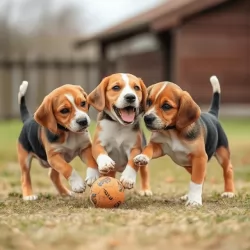 The Bagel Hound is a friendly, affectionate, and playful breed, combining the best traits of its Beagle and Basset Hound parents. They are medium-sized with a sturdy, muscular build, and a short, dense coat. Bagel Hounds are social and enjoy being around people, often following their owners around and seeking attention. They have a gentle, patient nature, making them great with children and other pets.
While they are generally calm, they are also curious and scent-driven, which can make them a bit stubborn and prone to distractions. Their affectionate personality and loyal nature make them great companions, though they benefit from consistent training and exercise.
Children and Australian Cattle Dogs can grow up together in harmony. They will have a loyal and protective companion. After you properly train your dog and teach your child how to play with the dog, you will bring the friendship on the safe side. Some of them will have the instinct to nip at heels, so you should pay attention to this while training your pet.
Special talents: cattle dog, service dog, therapy dog, police dogs, drug detection dogs.
Australian Cattle Dogs can survive cool, hot and temperate conditions. They can live in a shelter outdoors, and they do well living indoors. But, be aware – without enough physical activity, this dog will end up being frustrated and unhappy.
They will absorb every new trick so quick that you will be amazed. They love to learn, and if you start with some good trick you will raise a great friend and maybe a great competitor in fetch, swim, bring-a-stick, or run-the-show dog sports.
 A common genetic condition where the hip joint doesn't fit properly, causing pain and potential arthritis. It can lead to limping or difficulty moving, especially as the dog ages.
The Bagel Hound’s long, floppy ears trap moisture and debris, making them more susceptible to infections. Regular ear cleaning and keeping ears dry can help prevent this issue.
Bagel Hounds love food, and without proper portion control and exercise, they can easily gain weight. Obesity can lead to other health problems like heart disease, joint issues, and reduced life expectancy. Regular exercise and a balanced diet are essential to keep them at a healthy weight.
Health Problems: are mostly inherited. You can avoid this by searching for a good breeder that can clear out the hereditary diseases.
The Australian Cattle Dog is one of the breeds that can be born with progressive retinal atrophy. Progressive rod-cone degeneration is a disease that causes the rods and cones in the retina of the eye to degenerate. It might lead to blindness.
The Australian Cattle Dog is one of the rare breeds with recessive piebald alleles. This gene is the reason why they have white colour on their coat. But, unfortunately, this gene can be the reason why congenital hereditary deafness develops.
 Daily walks help keep them fit, while interactive play sessions like fetch offer mental and physical stimulation. Avoid overexerting them, especially in hot weather, to prevent exhaustion.
Provide a balanced diet with portion control to maintain a healthy weight. Brush their coat weekly to manage shedding, and clean their ears regularly to avoid infections.
Use positive reinforcement during training for best results. Regular vet check-ups ensure they stay healthy, and keeping an eye on their weight helps prevent obesity.
Herding dog have a history of the joint diseases. That’s why some of the pet suggest feeding a herding dog with meat like chicken, turkey, beef, lamb and fish. Dry dog food, even premium quality, may not be enough for this energetic dogs and their bone structure. But it depends on the dog. The best advice is to always take an advice from your breeder or your wet.
You won’t be very busy with grooming your Australian cattle dog. You don’t have to take everyday care of it. Occasional brushing will be more than enough. Bath the dog only when you notice odour problem.
The Australian Cattle Dog needs a high level of activity. Like many other herding dog breeds, they love walks, spending time with people, running or doing any athletic sports with them, teaching them tricks since they have above average intelligence. Fetching will be super fun for everyone, agility, competitions or any other challenging activity. They love water and they swim very well so you can take the dog with you to the nearest pool and have a great time.