 MyDogBreeds
 Bagel Hound is originated from United States but Havanese is originated from Cuba. Bagel Hound may grow 16 cm / 7 inches higher than Havanese. Bagel Hound may weigh 21 kg / 47 pounds more than Havanese. Both Bagel Hound and Havanese has almost same life span. Both Bagel Hound and Havanese has almost same litter size. Bagel Hound requires Low maintenance. But Havanese requires High maintenance
 The Bagel Hound is a hybrid breed that emerged in the early 2000s by crossing the Beagle and Basset Hound. Both parent breeds have ancient origins—Beagles were bred for hunting small game with their exceptional sense of smell, while Basset Hounds, with their calm demeanor and powerful scenting ability, were also used for hunting.
The Bagel Hound was developed to combine the Beagle’s playful, energetic nature with the Basset Hound’s laid-back, affectionate temperament. Though relatively new, this hybrid quickly became popular for its friendly disposition, moderate energy, and suitability as a family companion.
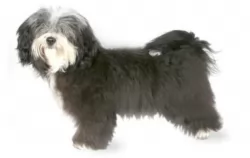 The only breed of dog that is native to Cuba is the Havanese. These little dogs are great companion animals. Sociable and happy, they are very popular in the United States with urbanites. These happy little pups are a Bichon type of dog which was developed from the “Little White Dog of Havana” or the Blanquito de la Habana which is now extinct.
The Blanquito de la Habana was itself developed from another extinct breed the Bichon Tenerife. Then the Blanquito was bred with the other Bichons and poodles in developing the Havanese. It is believed that some of the first people to settle in Cuba were from Tenerife, an island close to Cuba. In the early part of the sixteenth century, little white dogs were brought to Cuba with these settlers. This dog of Tenerife is believed to be the ancestor of all Bichon breeds.
At that time trade with Cuba was highly restricted by the Spanish and so these dogs developed without any crossing from other breeds from outside the country. They grew to be able to stand hot temperatures and they grew a very unique coat – almost like silk. Their coat is soft and light, while insulating them from the tropical environment.
At this time Cuba was the place to be for Europeans aristocrats on vacation. Unlike the British colonies, Cuba had theatres, operas and palacious. When going back to Europe, many took this little white dog with them to France, Spain and England. The Dog of Havannah was a favorite on European soil as well. Many of these dogs taken to Europe were fawn or parti instead of white. Meanwhile back in Cuba, the bourgeoisie were replacing the aristocracy who themselves would soon be replaced by the Revolution.
During the days of the bourgeoisie, the Havanese became very popular household pets. The breed has been a family pet for the last 150 years. At the same time the breed was very trendy in Europe with Charles Dickens and Queen Victoria owning several. They were by now familiar participants in Europe’s dog shows. Finally, with the Revolution, the bourgeoisie left the country in droves with their little white dogs. A genetic pool was then formed in the US. Gene pool from 11 dogs. All the Havanese in the world are descended from those 11 dogs with the exception of the dogs isolated in Cuba and the US. Today the Havanese is one of the most popular and fastest growing breeds in the world.
 The Bagel Hound is a medium-sized, affectionate hybrid breed resulting from the cross between the Beagle and the Basset Hound. With a sturdy, muscular body and a short, dense coat, this breed combines the best features of its parents.
Typically, a Bagel Hound has a short to medium-length coat that can come in a variety of colors, including tri-color (black, white, and tan), bi-color, or combinations of tan, white, and black. Their face is expressive with long, floppy ears and a soft, gentle gaze, a trait inherited from both parent breeds.
This breed is known for being friendly, affectionate, and playful, making it an excellent companion for families, including those with children or other pets. While generally calm, they do have a stubborn streak due to their strong scenting instincts, so consistent training is important. Despite their playful nature, they are not overly energetic and are typically content with moderate exercise, such as daily walks and playtime.
The Bagel Hound has a balanced temperament—loyal, loving, and a little mischievous—which makes them a popular choice for families and first-time dog owners who are willing to invest in training and care.
 The Havanese is a sturdy little dog, a member of the toy group. They weigh no more than 16 pounds (7.3kg) and his body is longer than it is tall. The breed has a unique topline that is not level, but it is straight. His front legs are longer than his hind legs producing the lively gait everyone is used to seeing with a Havanese. With a full muzzle that tapers to the nose, the Havanese does not seem to be short. The skull’s length is the same as the muzzle’s. The head of the Havanese is round in the back and flat in the front.
They have a deep chest, almond shaped eyes that are dark brown and their ears are about halfway down the nose. The long ears hang down the side od the face. They have a long plumed tail that is held high and upward. The standard for the breed and now the laws of the United Kingdom state that there can be no docking of the tail.
 The Bagel Hound is a friendly, affectionate, and playful breed, combining the best traits of its Beagle and Basset Hound parents. They are medium-sized with a sturdy, muscular build, and a short, dense coat. Bagel Hounds are social and enjoy being around people, often following their owners around and seeking attention. They have a gentle, patient nature, making them great with children and other pets.
While they are generally calm, they are also curious and scent-driven, which can make them a bit stubborn and prone to distractions. Their affectionate personality and loyal nature make them great companions, though they benefit from consistent training and exercise.
 Havanese are highly intelligent and eager to please, and they are easily trained so long as you use only positive methods. This can be a sensitive breed, so care must be taken to not scold them harshly. Socialization from an early age is very important. Expose them calmly to a wide variety of new places and new people, always ensuring that the experiences are positive and not intimidating. Gentle, patient training will result in a wonderful companion dog. They are affectionate with people and get along with other nonaggressive pets.
The Havanese is the consummate lap dog. Over time they have become the lovable family companion.
The breed is pretty adaptable being able to live as a companion animal in almost any setting. Just don’t expect your Havanese to go hiking or romp with you on 40 acres in the country.
They are intelligent, love to learn but can be a little stubborn. Train them early as they like their habits and its much harder to train an older Havanese.
 A common genetic condition where the hip joint doesn't fit properly, causing pain and potential arthritis. It can lead to limping or difficulty moving, especially as the dog ages.
The Bagel Hound’s long, floppy ears trap moisture and debris, making them more susceptible to infections. Regular ear cleaning and keeping ears dry can help prevent this issue.
Bagel Hounds love food, and without proper portion control and exercise, they can easily gain weight. Obesity can lead to other health problems like heart disease, joint issues, and reduced life expectancy. Regular exercise and a balanced diet are essential to keep them at a healthy weight.
 A very healthy breed, the Havanese doesn’t have a lot of health issues, but they are not immune to the problems of small breed dogs. The issues they do have are:
 Daily walks help keep them fit, while interactive play sessions like fetch offer mental and physical stimulation. Avoid overexerting them, especially in hot weather, to prevent exhaustion.
Provide a balanced diet with portion control to maintain a healthy weight. Brush their coat weekly to manage shedding, and clean their ears regularly to avoid infections.
Use positive reinforcement during training for best results. Regular vet check-ups ensure they stay healthy, and keeping an eye on their weight helps prevent obesity.
 Feed 3 to 4 times per day a high quality dry puppy food for toy or small dogs. Feed ¼ to ½ cup each time.
Remember these are small dogs and don’t overfeed. Feed a high quality dry food for small or toy dogs. Feed twice a day at about ½ cup each time.
The breed is generally very healthy.
This breed is not an overly active dog, but he does need some exercise. A nice walk once a day or a backyard to play in. They play inside as well as out. Don’t over exercise the Havanese. They do well in obedience and confirmation more so than agility or fly ball