 MyDogBreeds
 Both Bagel Hound and Native American Indian Dog are originated from United States. Bagel Hound may grow 9 cm / 4 inches higher than Native American Indian Dog. Bagel Hound may weigh 93 kg / 205 pounds lesser than Native American Indian Dog. Bagel Hound may live 4 years less than Native American Indian Dog. Both Bagel Hound and Native American Indian Dog has almost same litter size. Bagel Hound requires Low maintenance. But Native American Indian Dog requires High maintenance
 The Bagel Hound is a hybrid breed that emerged in the early 2000s by crossing the Beagle and Basset Hound. Both parent breeds have ancient origins—Beagles were bred for hunting small game with their exceptional sense of smell, while Basset Hounds, with their calm demeanor and powerful scenting ability, were also used for hunting.
The Bagel Hound was developed to combine the Beagle’s playful, energetic nature with the Basset Hound’s laid-back, affectionate temperament. Though relatively new, this hybrid quickly became popular for its friendly disposition, moderate energy, and suitability as a family companion.
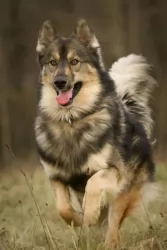 The Native American Indian Dog is an ancient breed, that some consider to be feral. It is a landrace breed that developed with the indigenous peoples North America. These dogs originally looked and sounded like wolves and it is likely that their ancestry is tied to wolves crossed with pre-Columbian American dogs that came to the America’s with the first peoples. There are some that believe the Native American Indian Dog is a connecting line back to the dogs or wolves that over 12,000 years ago were the first to be domesticated by human beings.
They are now a rare breed in the wild and a small group of domesticated dogs. Fossil studies in recent years suggests that the Native American Indian Dogs came to North America about 4500 years after the first indigenous peoples. It is believed that the Native Americans bred the dogs that traders and explorers brought with them to the native coyote as well. This created a breed specific to North America and called the Common Native Dog or the Common Indian Dog. The original NAID was a mix of many different breeds of dogs and wild canines.
Today’s NAID is said to be raised on Indian reservations in the United State and represent a mix of Chinook, Husky, German Shepherd Dog and Malamute, along with perhaps some of today’s wolf mixed in. This dog is raised domestically and is socialized to life with humans. They are the last remaining breed from all the Native North American dogs that lived with the original people of the Americas. They are also thought to have an ancestry similar to the Australian Dingo.
They are a devoted, protective and loyal breed though they tend to be shy. They need to be outside for the majority of the day and don’t do well in crates. They need a fenced yard and room to roam. They are working dogs that hunted, pulled sleds and guarded their homes. They still need a job to so.
Today the North American Indian Dog is being bred to replicate the temperament and appearance of the originals. Although there are many breeders working from the founding breeder with original stock, there are only six that are officially given authorization to breed the NAID. They are registered by Terra Pines with the National Kennel Club but not recognized by the AKC and UKC.
The breed name NAID is trademarked by Karen Markel of Majestic View Kennels in the 1990’s. Today the breed is nationally recognized as a breed very much like the original Native American dogs, The breed is intelligent and quite healthy. They enjoy people and engage in many companion activities.
Whatever its true ancestry the current Native American Indian Dog (NAID), today’s version is not recognized by the AKC, but they are recognized by the Dog Registry of America, the Native American Indian Dog Registry and the National Kennel Club.
 The Bagel Hound is a medium-sized, affectionate hybrid breed resulting from the cross between the Beagle and the Basset Hound. With a sturdy, muscular body and a short, dense coat, this breed combines the best features of its parents.
Typically, a Bagel Hound has a short to medium-length coat that can come in a variety of colors, including tri-color (black, white, and tan), bi-color, or combinations of tan, white, and black. Their face is expressive with long, floppy ears and a soft, gentle gaze, a trait inherited from both parent breeds.
This breed is known for being friendly, affectionate, and playful, making it an excellent companion for families, including those with children or other pets. While generally calm, they do have a stubborn streak due to their strong scenting instincts, so consistent training is important. Despite their playful nature, they are not overly energetic and are typically content with moderate exercise, such as daily walks and playtime.
The Bagel Hound has a balanced temperament—loyal, loving, and a little mischievous—which makes them a popular choice for families and first-time dog owners who are willing to invest in training and care.
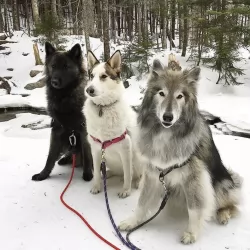
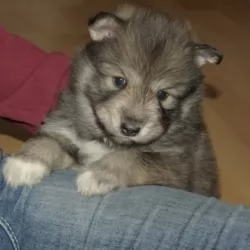 There are two sizes of the North American Indian Dog – they are medium and large. They have dense short double coats, or they have long top coats and a fairly dense undercoat. They come in a variety of colors mostly black or silver but there is also a tortoiseshell. These tortoiseshell colored dogs are considered by Native Americans to be sacred beings. These tortoiseshell dogs are strikingly good looking and are called Spirit Dog.
They all have the look of a Siberian Husky or Alaskan Malamute with upright ears and almond shaped eyes that are anywhere from amber to brown with some blue. Usually their tails are down and long but can be curled. They resemble the wolf and have that wild, feral appearance. They can be as large as over one hundred pounds or average seventy to eighty pounds. They are strong, alert and intelligent. They are considered to be hypoallergenic, shedding their coat only once a year.
 The Bagel Hound is a friendly, affectionate, and playful breed, combining the best traits of its Beagle and Basset Hound parents. They are medium-sized with a sturdy, muscular build, and a short, dense coat. Bagel Hounds are social and enjoy being around people, often following their owners around and seeking attention. They have a gentle, patient nature, making them great with children and other pets.
While they are generally calm, they are also curious and scent-driven, which can make them a bit stubborn and prone to distractions. Their affectionate personality and loyal nature make them great companions, though they benefit from consistent training and exercise.
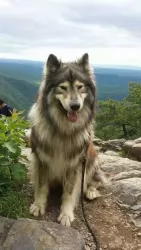 This breed is gentle and loving with children.
Endurance, strength and good health.
Low adaptability to small living spaces and lack of outside space; don’t do well in crates and need an experienced dog owner.
They are highly intelligent, love to learn and are just a little stubborn.
 A common genetic condition where the hip joint doesn't fit properly, causing pain and potential arthritis. It can lead to limping or difficulty moving, especially as the dog ages.
The Bagel Hound’s long, floppy ears trap moisture and debris, making them more susceptible to infections. Regular ear cleaning and keeping ears dry can help prevent this issue.
Bagel Hounds love food, and without proper portion control and exercise, they can easily gain weight. Obesity can lead to other health problems like heart disease, joint issues, and reduced life expectancy. Regular exercise and a balanced diet are essential to keep them at a healthy weight.
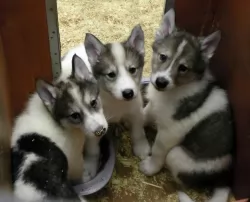 This is a fairly healthy, long lived breed having spent so much of its history in isolation. They are prone to some of the issues that affect all medium to large breeds.
 Daily walks help keep them fit, while interactive play sessions like fetch offer mental and physical stimulation. Avoid overexerting them, especially in hot weather, to prevent exhaustion.
Provide a balanced diet with portion control to maintain a healthy weight. Brush their coat weekly to manage shedding, and clean their ears regularly to avoid infections.
Use positive reinforcement during training for best results. Regular vet check-ups ensure they stay healthy, and keeping an eye on their weight helps prevent obesity.
 Because of their propensity to grow to quickly the puppy should only stay on puppy food for 8-10 months. Feed them a high quality large dog puppy food 3-4 times daily for a total of 2-21/2 cups per day.
Feed a high protein, large dog dry food twice a day for a total of two cups. Do not over feed. Do not feed right before or after exercise do to the risk of bloat.
Healthy, strong long lived dog.
This is not an indoor, couch potato dog. They need exercise and they need space. They won’t do well as apartment dogs unless you can take them to a dog park for over an hour every day. They really need a large fenced in yard. They don’t do well in crates either. He doesn’t understand crates and thinks you are punishing him. They make great hunters, search and rescue dogs, service dogs and therapy dogs. They will succeed at pulling competitions and weight competitions.