 MyDogBreeds
 Bagel Hound is originated from United States but Spitz is originated from Russia. Bagel Hound may grow 27 cm / 10 inches shorter than Spitz. Bagel Hound may weigh 13 kg / 28 pounds lesser than Spitz. Both Bagel Hound and Spitz has almost same life span. Bagel Hound may have less litter size than Spitz. Bagel Hound requires Low maintenance. But Spitz requires Moderate maintenance
 The Bagel Hound is a hybrid breed that emerged in the early 2000s by crossing the Beagle and Basset Hound. Both parent breeds have ancient origins—Beagles were bred for hunting small game with their exceptional sense of smell, while Basset Hounds, with their calm demeanor and powerful scenting ability, were also used for hunting.
The Bagel Hound was developed to combine the Beagle’s playful, energetic nature with the Basset Hound’s laid-back, affectionate temperament. Though relatively new, this hybrid quickly became popular for its friendly disposition, moderate energy, and suitability as a family companion.
 A spitz is not a breed of dog, but rather a “group or family” of dogs that has its roots in Germany. Within this family there are a variety of breeds that were bred for very specific purposes by people in many different parts of the world. The spitz family can be toy dog size up to vey large. Examples run from the Pomeranian to the Canadian Eskimo Dog.
The Spitz family dogs share the look of thick, long fur and pointed muzzles, ears and curly tail. Despite their German name, they are thought to originally be of East Asia or Artic descent. Most of today’s spitz are from Siberia’s Artic region, first described in 1788 and in English in 1792. Spitz have been bred for three types of jobs depending upon where they were developed. These jobs included pulling, herding and hunting.
There are very powerful and large Spitz breeds that pull or hunt large game. Examples of these breeds are the Swedish Elkhound, the Akita Inu, the Norwegian Elkhound and the Karelian Bear Dog. The smaller sized breeds like the Samoyed hunted small mammals and birds, while the Finnish Lapphund, Lapponian Herder, and Swedish Lapphund herded, hunted and pulled small sleds.
The three largest spitz also pulled sleds throughout the 17th and 18th centuries. In most places the Canadian Eskimo Dog, the Alakan Malamute and the Greenland dog were used in sled racing and fur trapping while in Canada and Alaska the Siberian Husky was used for the same things.
Recently there have been genetic tests that show a large number of dogs that are considered Spitz type so share many strong ancestral ties and DNA similarities with wild wolves. It is now believed that a lot of these breeds were intentionally mated with wolves and some were accidental. Both domestic and wild dogs are included in this history.
Most spitz are made for cold weather, even today’s lapdogs, like the Pomeranian, do not do well in hot climates.
 The Bagel Hound is a medium-sized, affectionate hybrid breed resulting from the cross between the Beagle and the Basset Hound. With a sturdy, muscular body and a short, dense coat, this breed combines the best features of its parents.
Typically, a Bagel Hound has a short to medium-length coat that can come in a variety of colors, including tri-color (black, white, and tan), bi-color, or combinations of tan, white, and black. Their face is expressive with long, floppy ears and a soft, gentle gaze, a trait inherited from both parent breeds.
This breed is known for being friendly, affectionate, and playful, making it an excellent companion for families, including those with children or other pets. While generally calm, they do have a stubborn streak due to their strong scenting instincts, so consistent training is important. Despite their playful nature, they are not overly energetic and are typically content with moderate exercise, such as daily walks and playtime.
The Bagel Hound has a balanced temperament—loyal, loving, and a little mischievous—which makes them a popular choice for families and first-time dog owners who are willing to invest in training and care.
 Most of the spitz breeds share a “look” that includes erect ears, stocky heavy, usually double coats, a pointed muzzle, thick, fluffy ruffs and a heavy curled tail carried high over the body. Build for northern climates they are insulated by a undercoat that is waterproof and dense and a less dense topcoat. Their ears are small to prevent frostbite and their paws have thick fur to protect them in the frigid, icy terrain.
Many still have wolf-like looks and tendencies. Some are very difficult to train to be companions – the Akita, Chow and especially the Karelian Bear Dog – fall into this category. Many mixed breed dogs are also considered members of the Spitz family. These dogs are easy to recognize as spitz because of these physical characteristics
 The Bagel Hound is a friendly, affectionate, and playful breed, combining the best traits of its Beagle and Basset Hound parents. They are medium-sized with a sturdy, muscular build, and a short, dense coat. Bagel Hounds are social and enjoy being around people, often following their owners around and seeking attention. They have a gentle, patient nature, making them great with children and other pets.
While they are generally calm, they are also curious and scent-driven, which can make them a bit stubborn and prone to distractions. Their affectionate personality and loyal nature make them great companions, though they benefit from consistent training and exercise.
 A common genetic condition where the hip joint doesn't fit properly, causing pain and potential arthritis. It can lead to limping or difficulty moving, especially as the dog ages.
The Bagel Hound’s long, floppy ears trap moisture and debris, making them more susceptible to infections. Regular ear cleaning and keeping ears dry can help prevent this issue.
Bagel Hounds love food, and without proper portion control and exercise, they can easily gain weight. Obesity can lead to other health problems like heart disease, joint issues, and reduced life expectancy. Regular exercise and a balanced diet are essential to keep them at a healthy weight.
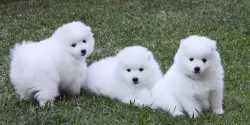 It is a little harder to characterize the health issues of a family of dogs than it is a .will overheat in hot climates due to their double coats. Here are some propensities of dogs in the Spitz family.
• Thrombopathia bleeding disorder with the risk of a hemorrhage, platets don’t clot.
• Larger breeds are affected by Elbow and Hip dysplasia that can cause arthritis and lameness.
 Daily walks help keep them fit, while interactive play sessions like fetch offer mental and physical stimulation. Avoid overexerting them, especially in hot weather, to prevent exhaustion.
Provide a balanced diet with portion control to maintain a healthy weight. Brush their coat weekly to manage shedding, and clean their ears regularly to avoid infections.
Use positive reinforcement during training for best results. Regular vet check-ups ensure they stay healthy, and keeping an eye on their weight helps prevent obesity.
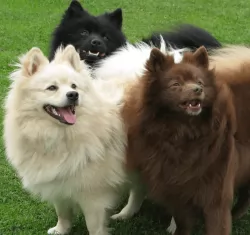 1Feeding the puppy The Spitz family has high energy needs but in a slow-release so they need protein more than grain. Puppies should be fed 3-4x a day in small meals. Don’t overfeed them.
2.Feeding the adult – The Spitz type dog stores their energy to use in extended periods when working or playing. They will become obese if overfed or if they don’t get enough exercise. Feed 2-3X a day in small or medium sized meals, even the larger breeds because of their storage of calories.
4. Games and Exercises – Having been bred for endurance and stamina most Spritz breed need plenty of exercise, lots of space and lots of play. They love to run, jog, or play games. They are outdoors types who love to hike, and run or walk for long times over long distances. They are great in cold, wet weather but not so good in the heat. How much exercise they need depends on the size and history of the specific breeds. Most love to play with other dogs, so dog parks and dog day care can both be good choices for most of them. Agility, barnhunt, field trials, pulling games are all good choices.
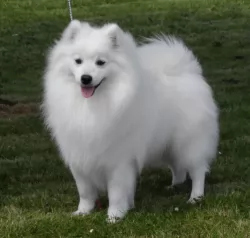 1.Children friendliness excellent with almost all the breeds. Be careful of size. Smaller breeds may not be as friendly and larger may knock down small children.