 MyDogBreeds
 Gully Terrier is originated from India but American Eskimo Dog is originated from United States. Gully Terrier may grow 8 cm / 4 inches higher than American Eskimo Dog. Gully Terrier may weigh 19 kg / 42 pounds more than American Eskimo Dog. Both Gully Terrier and American Eskimo Dog has same life span. Gully Terrier may have more litter size than American Eskimo Dog. Gully Terrier requires Moderate maintenance. But American Eskimo Dog requires High maintenance
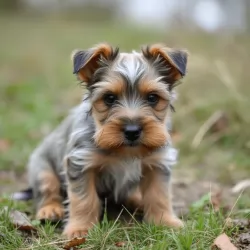 The Gully Terrier originated in India as a street dog, a mix of indigenous Indian Pariah Dogs and bully breeds like Pit Bulls and American Bulldogs.
Developed primarily for protection and hunting, they were used as guard dogs in urban and semi-urban areas. The name "Gully" refers to the narrow alleys and streets where these dogs were often found, while "Bully" highlights their muscular, strong build inherited from bully breeds.
Known for their loyalty, alertness, and protective instincts, Gully Terriers became valued companions for families in need of a strong, resilient dog that could thrive in tough environments.
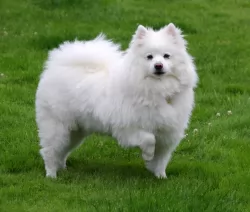 The American Eskimo is derived from the Nordic Spitz breed and most closely related to the German Spitz in particular. There were many German Spitzes in the United States at the time of the second World War and anti-German sentiment caused its name to change to the American Eskimo Dog. However, as the breed developed over time in the States, the American Eskimo became its own separate breed. In addition to the German Spitz, the American Eskimo is also related to the white Keeshond, the Samoyed, the white Italian Spitz and the white Pomeranian.
The history is beginning to show that the Spitzes that were brought to the US in the early 1900’s was white. This color was not popular in Europe but was quickly the favorite in the United States. They were originally working dogs on farms and ranches. They have excellent herding instincts, make goo watch and guard dogs, and good law enforcement sniff dogs. However, their first introduction to the American public was through the Cooper Brothers’ Railroad Circus and Stout’s Pal Pierre at the Barnum and Baily Circus. Eskimo puppies were sold after the circus show.
The American Eskimo is derived from the Nordic Spitz breed and most closely related to the German Spitz in particular. There were many German Spitzes in the United States at the time of the second World War and anti-German sentiment caused its name to change to the American Eskimo Dog. However, as the breed developed over time in the States, the American Eskimo became its own separate breed. In addition to the German Spitz, the American Eskimo is also related to the white Keeshond, the Samoyed, the white Italian Spitz and the white Pomeranian.
The history is beginning to show that the Spitzes that were brought to the US in the early 1900’s was white. This color was not popular in Europe but was quickly the favorite in the United States. They were originally working dogs on farms and ranches. They have excellent herding instincts, make goo watch and guard dogs, and good law enforcement sniff dogs. However, their first introduction to the American public was through the Cooper Brothers’ Railroad Circus and Stout’s Pal Pierre at the Barnum and Baily Circus. Eskimo puppies were sold after the circus show.
It was then that the breed became one of America’s favorite breeds and they quickly became house pets. Following World War II, Japan exported the Japanese Spitz into America and it was crossed with the Eskimo also. The American Eskimo Dog breed was not recognized by AKC until 1985. Still in 1958 there was no official breed club in the States but there were growing numbers of the dogs. It was not until 1970 did the National American Eskimo Dog Association (NAEDA) come into being. They collected the pedigrees of the first 1750 dogs to be AKC registered.
Since the American Eskimo Dog is not recognized internationally, those wishing to participate in international competition such as England’s prestigious Cruft’s Dog Show must register their dogs a German Spitz. Despite this the American Eskimo and German Spitz remain two very different breeds.
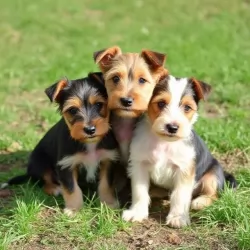 The Gully Terrier is a medium-sized, muscular dog known for its agility, loyalty, and protective nature. With a short, dense coat that comes in various colors, including black, brown, tan, and white, this breed has a distinctive appearance, often with a strong, powerful build.
The Gully Terrier is highly energetic and requires regular exercise to stay happy and healthy. Its intelligent, alert, and sometimes independent nature makes it a great guard dog and companion, although consistent training is necessary to manage its strong-willed personality.
This breed is well-suited for active families or individuals looking for a devoted and protective dog with a loving but protective demeanor.
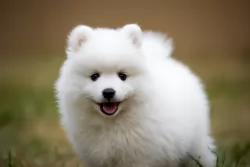 This small to medium dog is beautiful and resembles a miniature Samoyed. There are three sizes of American Eskimo – the standard, miniature, and the toy. The Eskimo’s head is wedge shaped with tall, triangular, erect ears. It has a heavily plumed tail with a sharp curl over the back. The Eskimo can burst into bold action due to their good legs and feet.
The coat is a double one with a harsh outer coat and plush inner one. The coat is always white or white with cream or biscuit markings, and visible skin in gray or pink. The American Eskimo’s ruff or mane is very heavy, and the nose, eyelids, pads and gums are black. They have dark eyes and blue are not allowed.
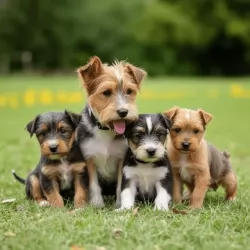 The Gully Terrier is a loyal, energetic, and intelligent breed with a strong, muscular build. Known for their protective nature, they make excellent guard dogs, staying alert and watchful of their surroundings.
While they are friendly and devoted to their family, they can also be independent and sometimes stubborn, requiring consistent training. Their short, dense coat is easy to groom, needing only regular brushing and ear cleaning.
Gully Terriers are active dogs that thrive on daily exercise and mental stimulation, making them great companions for those with an active lifestyle.
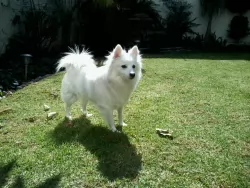 The Eskimo is affectionate, playful and love children of all ages. They are intelligent and want to please you. They can be trained easily and are champions of the obedience trial. They are fun and confident. At the same time, they need a confident pack leader. He is prone to Little Dog Syndrome where the dog thinks they oversee the home and display all sorts of behaviors. Under these circumstances the American Eskimo can become obsessive, aggressive, and engaging in obsessive resource guarding and barking.
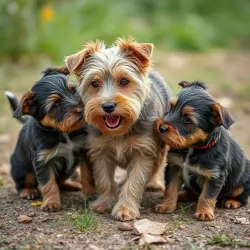 Like many medium to large-sized dogs, Gully Terriers can be prone to hip dysplasia, a condition where the hip joint doesn't develop properly, leading to arthritis and discomfort.
Due to their floppy or semi-erect ears, Gully Terriers can be more susceptible to ear infections. Regular ear cleaning and checking can help prevent this.
Their short coat can sometimes be prone to skin irritations, especially if they are exposed to harsh weather or poor hygiene. Allergies or parasite infestations (like fleas) can cause skin problems.
Gully Terriers are highly energetic, but they can be prone to obesity if they don't get enough exercise or are overfed. A balanced diet and regular activity are essential.
Some dogs in this breed may experience congenital eye issues like cataracts or progressive retinal atrophy (PRA), which can affect vision.
Regular vet check-ups to monitor joints, ears, and skin Consistent exercise to maintain a healthy weight Proper grooming to reduce risk of skin issues and ear infections
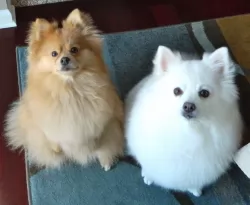 The American Eskimo Dog is prone to hip dysplasia. Their eyes and tear ducts are potential issues with progressive retinal atrophy. They are allergic to fleas and have a tendency to be overweight.
We deal with PRA (Progressive Retinal Atrophy) in greater detain in a following section but it is not as destructive as it used to be. It is much more treatable now.
There are potentially some dental issues that some American Eskimo Dogs are prone to.
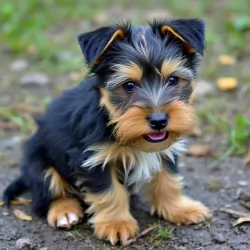 Caring for a Gully Terrier is straightforward but requires attention to their exercise, grooming, and training needs:
Gully Terriers are energetic and need daily exercise. Regular walks, runs, or play sessions will keep them happy and healthy.
They are smart and need activities that challenge their minds, like puzzle toys or training sessions.
Their short coat requires minimal care. Brush them once or twice a week and clean their ears regularly to prevent infections. Trim nails as needed.
Gully Terriers can be a bit independent, so start training early with positive reinforcement. Socialize them with people and other animals to avoid territorial behavior.
Feed them a balanced diet and control their portions to avoid weight gain. Regular vet check-ups will help keep them healthy.
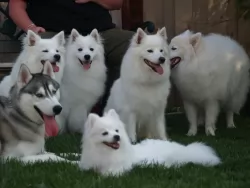 Your American Eskimo Dog needs a high quality food so they will not get overweight. Make sure you know how much is appropriate for your particular dog and her specific age. The puppies should be fed twice a day but adults only once.
As previously mentioned the American Eskimo Dog is prone to eye issue such as Progressive Retinal Atrophy or (PRA) – this disease is inherited and used to cause blindness as the rods in the retina died. New medical discoveries mean this is no longer a hopeless disease. Their eyes are also susceptible to other issues so make sure you check them and the tear ducts regularly.
Like so many other breeds the American Eskimo is also susceptible to hip dysplasia and a moving patella in the knee. For this reason watch their weight. They can also be very allergic.
This small dog has more energy than his size can handle. He needs a lot of exercise and a place to run. If he will become hyperactive and destructive. They are prone to disturbing behaviors such as spinning (spinning in circles) when they don’t get enough exercise. The American Eskimo Dog is smart and agile, Play games like catch or agility. They are also great at herding, competitive obedience or detection.